
Harvard Outreach Newsletter
157th Issue, September 2026
In this issue:
- USA College Day, 25/26 September 2026
- Frequently asked questions about Harvard at USA College Day
- Harvard Class of 2030 arrives on campus
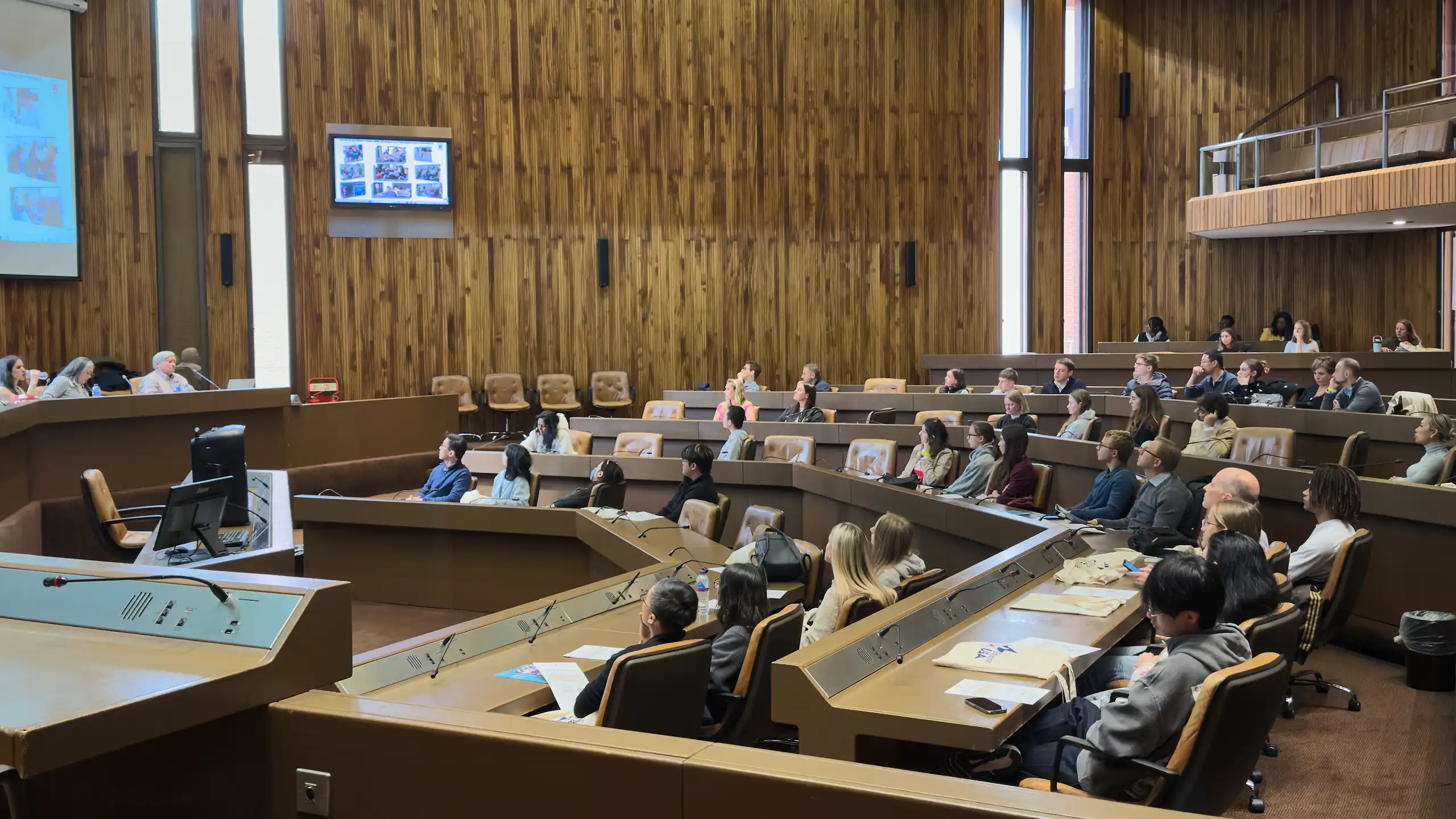
USA College Day, 25/26 September 2026
Organised by the US-UK Fulbright Commission, USA College Day offers students and parents the opportunity to meet with representatives from US universities in London. Now in its 49th year, College Day is the largest American university fair in the UK and attracts more than 120 university exhibitors.
Dates
Either Friday 25 September (4:00 pm – 7:00 pm)
or Saturday 26 September (10:00 am – 3.00 pm)
You can register to attend the event for a maximum of two hours, either on Friday or Saturday, but not both. The event is the same on both days.
Registration
Register here for USA College Day.
You may select only ONE entry time over the two days. You will have two hours to spend at the fair, so select your time slot wisely and arrive promptly at your start time. College Day administration recommends arriving around 30 minutes before your slot, when you will wait outside the venue to enter. This time can be used to read through the event programme and plan your time at the fair.
Venue
Kensington Conference and Event Centre (Kensington Town Hall), Hornton Street, London W8 7NX Nearest tube: High Street Kensington (Circle Line).
Cost
Free to attend but you must register in advance. You will receive an email and/or text (if you consented) 24 hours in advance of the event which will be scanned to check you into the fair.
New arrangements for the Harvard stand

Last year, instead of having a table in the main exhibition area, volunteers from the Harvard Club of the UK showed a 10-minute video every half hour giving the answers to the most frequently asked questions at the Harvard stand in previous years, followed by 10 minutes of questions from the floor. The new format worked very well as it enabled Harvard alumni to answer more questions from more visitors than was possible at a regular exhibition stand. The same arrangement will be repeated this year. All the sessions will take place in the Council Chamber, the entrance to which is directly opposite the main exhibition hall. The timetable of sessions over the two days is shown below.
Times of Harvard video presentations
(10 mins video followed by 10 mins Q & A)
Friday 25 September
Time
16:00
16:30 Harvard presentation (20 mins)
17:00 Harvard presentation (20 mins)
17:30
18:00 Harvard presentation (20 mins)
18:30 Harvard presentation (20 mins)
19:00
Saturday 26 September
Time
10:00
10:30
11:00 Harvard presentation (20 mins)
11:30 Harvard presentation (20 mins)
12:00 Harvard presentation (20 mins)
12:30
13:00 Harvard presentation (20 mins)
13:30 Harvard presentation (20 mins)
14:00 Harvard presentation (20 mins)
14:30
15:00
Frequently asked questions at the Harvard stand
If you can’t make it to College Day in person, here are the answers to the most frequently asked questions about Harvard College at previous US college fairs.
Academic Programme
Question: I’m interested in studying [name of subject] in the USA. What is Harvard like for the study of this subject?
Answer:
- Harvard is a world-class institution for studying most subjects across the arts and sciences.
- When you apply to Harvard College, you don’t apply for a particular subject, you just apply to get in, and typically can explore different subjects before finalising your course of study mid-way through the second year.
- The idea is that you get to try out lots of different things before making a final decision about what will be your main study area, or ‘concentration’.
- When you choose your concentration (which other US colleges often call a ‘major’) there are over 2,900 courses to choose from in 51 areas of concentration, including a ‘Special Concentration’ where you can create your own combination of courses.
- For further information on all Harvard concentrations, please click here.
- Additionally, you may send an email to askastudent@fas.harvard.edu to learn first-hand from Harvard students about their experiences.
Differences between Harvard and UK universities
Question: I understand the main difference between Harvard and UK universities is a broad liberal arts & sciences degree (Harvard) versus a specialist degree (UK). But what are the other differences?
Answer:
Compared with UK universities, Harvard differs in the following ways:
- The broad curriculum means that it takes 4 years to complete your bachelor’s degree, rather than 3 years (except at Scottish universities, which also offer 4-year degrees).
- Financial aid is available to all admitted students who need it, and the amount you receive is means tested against your family’s income.
- There is more contact time with teachers and a greater emphasis on classroom teaching and discussion than the UK.
- There is more emphasis on continuous assessment, rather than end of year exams.
- Extracurricular activity is strongly encouraged, and there is an expectation that you will become fully engaged in the life of the College.
- Housing is guaranteed on campus for all 4 years.
- Admission based on a ‘whole person’ review, not just academic ability.
- Professional degrees such as medicine and law are studied at post-graduate level in the US, although you can prepare for going on to medical school or law school while still an undergraduate.
What Harvard looks for in its applicants
Question: What is Harvard looking for in prospective students?
Answer:
- Admissions decisions are based on a ‘whole person’ review – not just your exam grades.
- Your extracurricular activities and community contributions are just as important as high academic achievement.
- Admission to Harvard is not a reward for what you have done in the past – it is an investment in what the Admissions Committee believes you are capable of doing in the future.
Application timeline
Question: When is the best time to apply?
Answer:
- Applying to US universities is a marathon, not a sprint, but is perfectly manageable provided you plan in advance and start early.
- Refer to the application timetable on the HCUK website for the specific tasks you need to undertake in each school year.
- If you intend to take a gap year, the best time to apply is while you are still at school and have the support of your teachers and advisers. If you are then offered a place at a US college, you can defer your entry and start your degree the following year.
Application components
Question: How do I go about applying to Harvard? What application materials do I need to submit?
Answer:
- Most UK students will apply using the Common Application Form (‘Common App’), as it is accepted by the largest number of US colleges – although some colleges have their own individual application forms. The Common App goes live each year on 1st August, and UK students should complete as much of it as possible during the summer holidays at the end of Year 12 (England and Wales), S5 (Scotland), or Year 13 (Northern Ireland).
- The Common App includes a Student Essay, which is the American equivalent of the UCAS Personal Statement. But the style of the Student Essay is very different from the type of essay an applicant would write for UCAS, as it is all about the student as a person, not about the subjects he or she might study. For good examples of student essays, google “US college essay examples” and you will find plenty of material online.
- If you are particularly talented in music, dance, art or writing, it is fine to include videos of your performances, art portfolios and publications as part of your application.
- Standardised tests are now compulsory for applicants to Harvard College. You can take either the SAT or the ACT, it doesn’t matter which. To decide which test is better for you, take a free online practice test in both of them and go with whichever one gives you the higher score. Click here for free online SAT practice tests. Click here for free online ACT practice tests.
- Some UK applicants are offered an interview with a volunteer who already holds a degree from Harvard. Face-to-face interviews take place in a public space such as a coffee shop. They can also take place remotely by Zoom, WhatsApp or phone. It is more of a wide-ranging conversation than an interview, and allows students to talk about their interests and ambitions, and to find out about what life is like at Harvard.
Financial aid
Question: How much does it cost to go to Harvard?
Answer:
- Harvard has a generous financial aid programme, and international students are eligible for the same financial aid as US citizens. All admitted students have access to financial aid if they need it, and the amount of money each student is offered is means-tested against family income.
- Families with incomes under $100,000 (or the £ equivalent) typically pay nothing. All billed expenses – including tuition, food, housing, and health insurance – are covered, in addition to an allowance towards a student’s travel costs.
- In addition, each student receives a $2,000 start-up grant in their first year, and a further $2,000 grant in their third year to support the transition to work or further education beyond Harvard.
- Families with incomes under $200,000 (or the £ equivalent) will typically receive free tuition and additional financial aid to cover billed expenses, depending on their financial circumstances.
- Financial aid is given in the form of grants, not loans, so students do not have to pay them back after they graduate.
Housing
Question: Where will I live if I go to Harvard?
Answer:
- All students are guaranteed housing on campus for all four years. Harvard is very keen on creating a thriving campus community.
- First year students all live in dorms on Harvard Yard – right in the hub of the university.
- In years 2, 3 and 4, students move to one of 12 residential houses. Each house has its own library, dining hall, gym, and social activities, and all of them are within walking distance of Harvard Yard.
Life outside the classroom
Question: What is Harvard like for extracurricular activity?
Answer:
- Students are expected to become fully involved in the life of the university, and there is a vast range of activities to choose from, including over 500 university recognised student clubs, 42 ‘varsity’ (premier league) sports teams, 75+ student plays and performances per year, a daily student newspaper (Harvard Crimson) and 90+ community service groups.
Harvard Class of 2030 arrives on campus
‘Bittersweet goodbyes and jitters make way for excitement as Class of 2030 settles in on move-in day’
The Harvard Gazette has published photos showing the Class of 2030 arriving on campus and moving into their dorms. As always, incoming students were received by current students and faculty (including Harvard President Alan Garber) who helped them move suitcases and boxes of belongings into their dorm rooms.
A selection of photos is shown below – click here to read the full article.
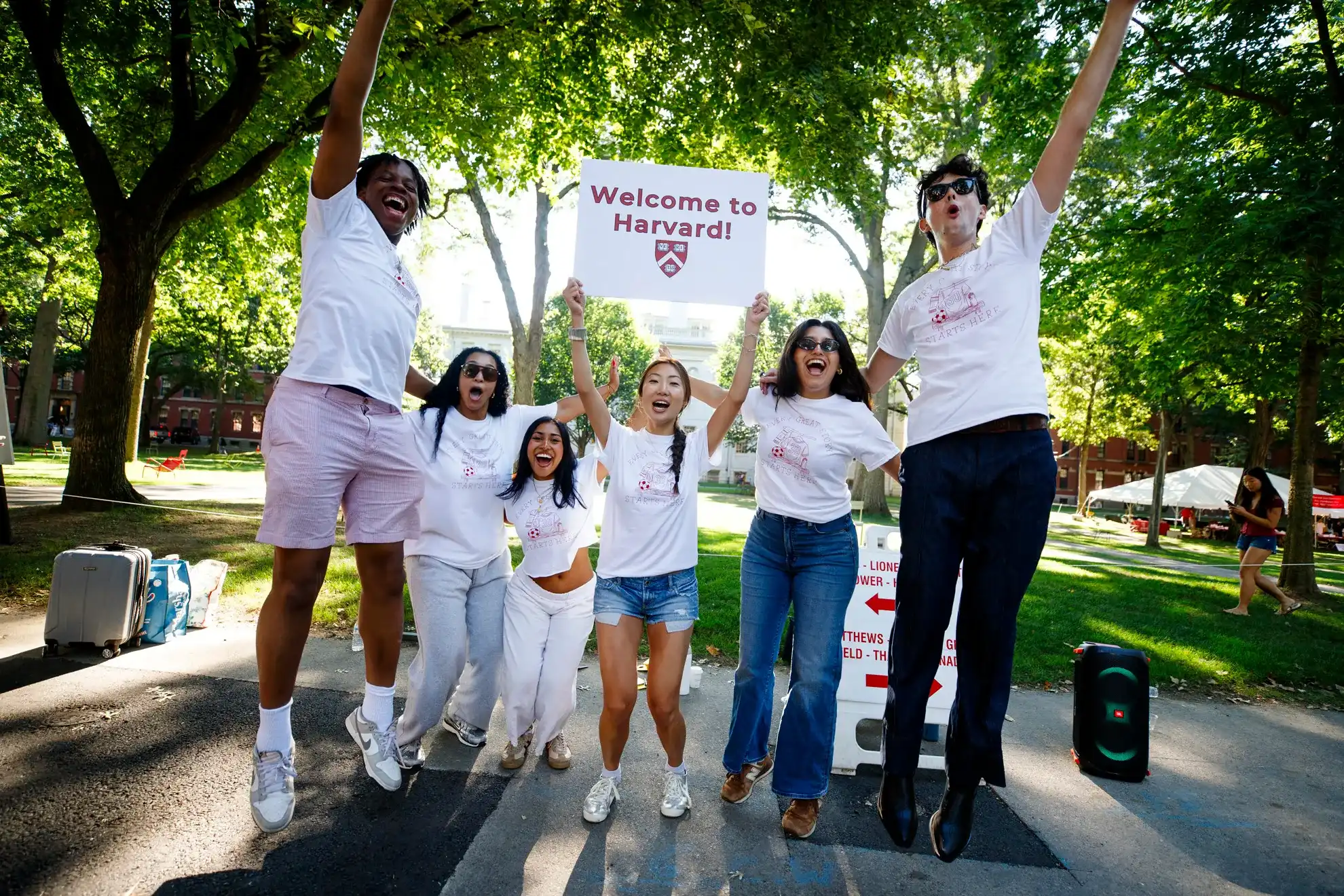
Photo by Grace DuVal
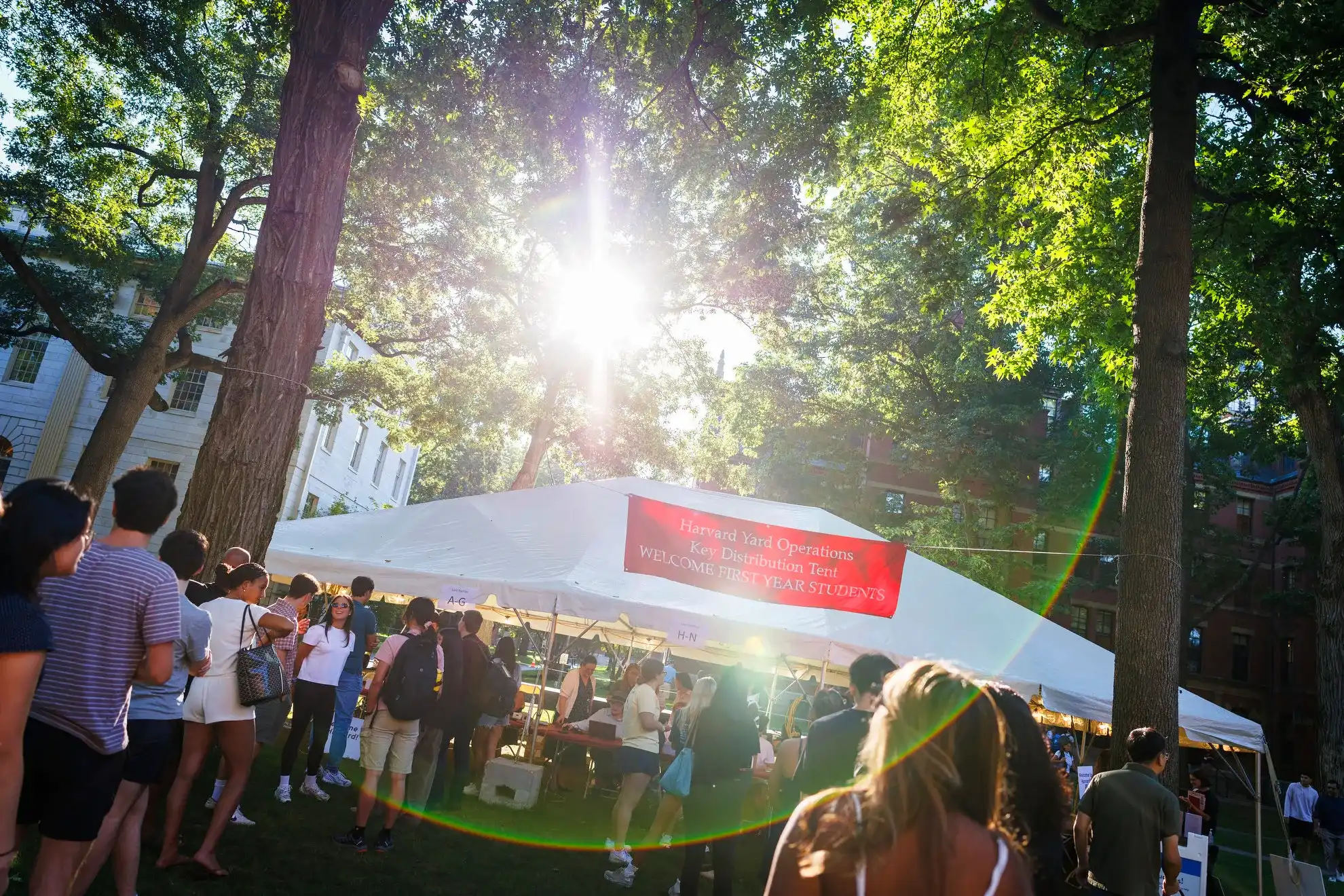
Stephanie Mitchell/Harvard Staff Photographer
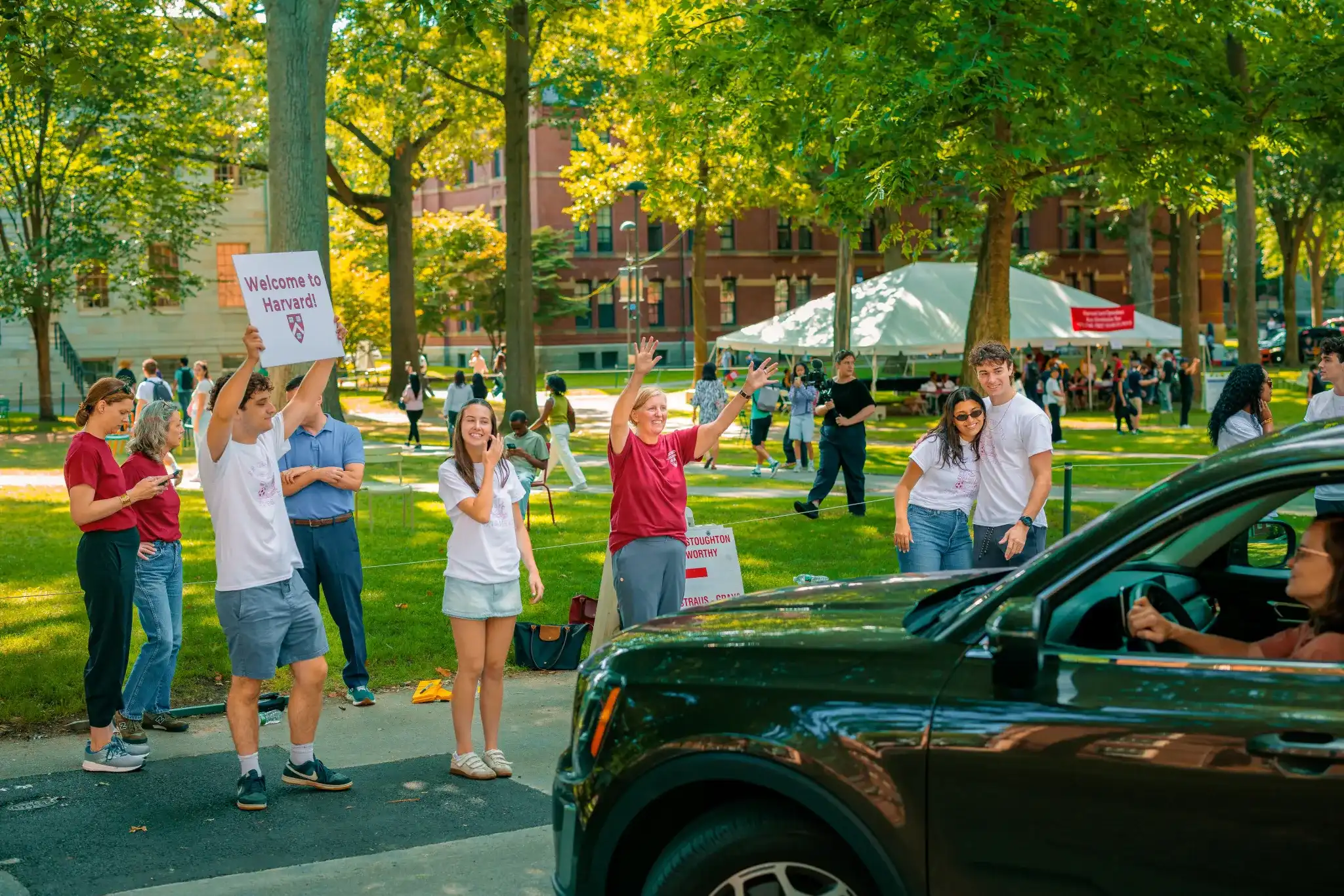
Photo by Carlos Sanchez
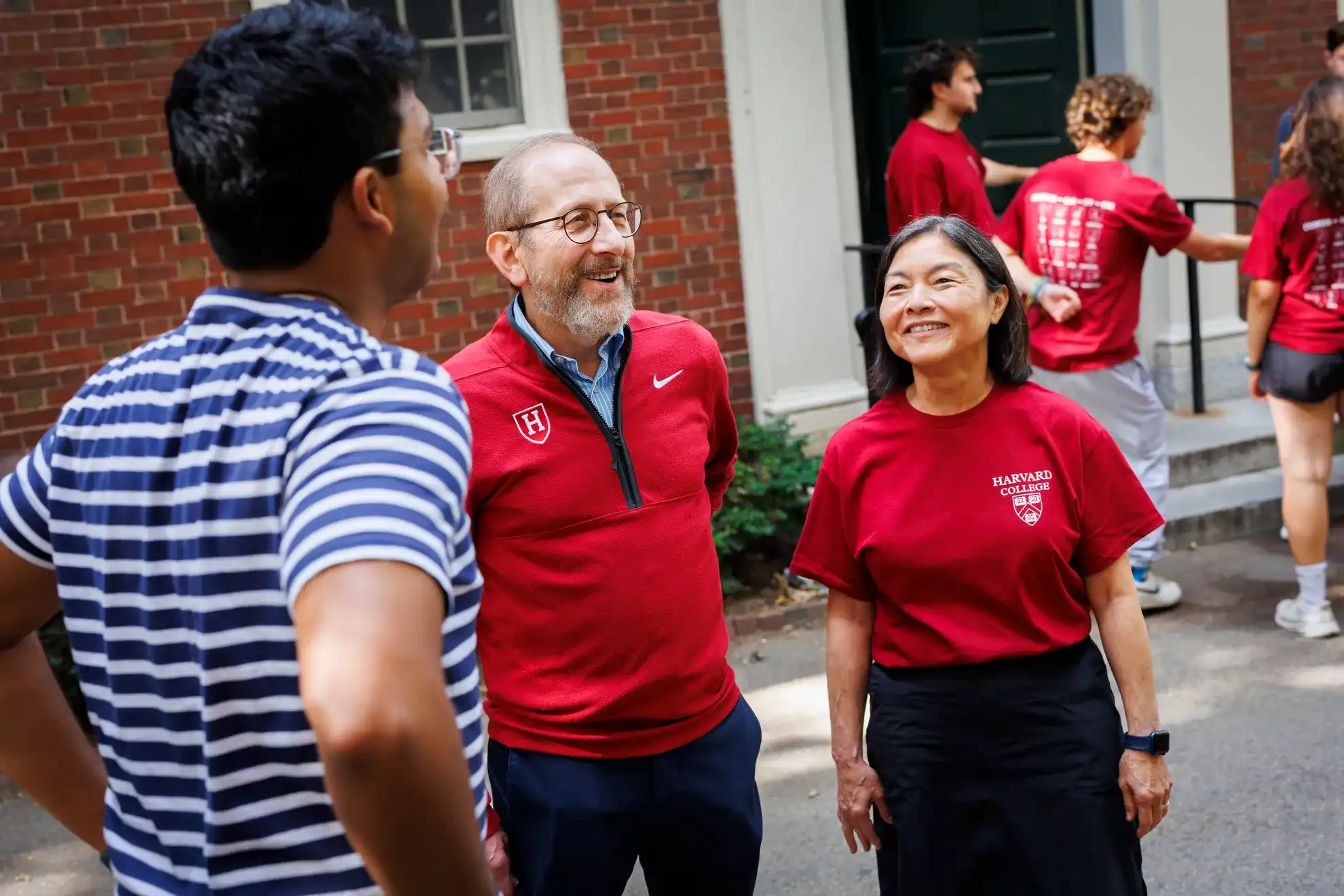
Stephanie Mitchell/Harvard Staff Photographer
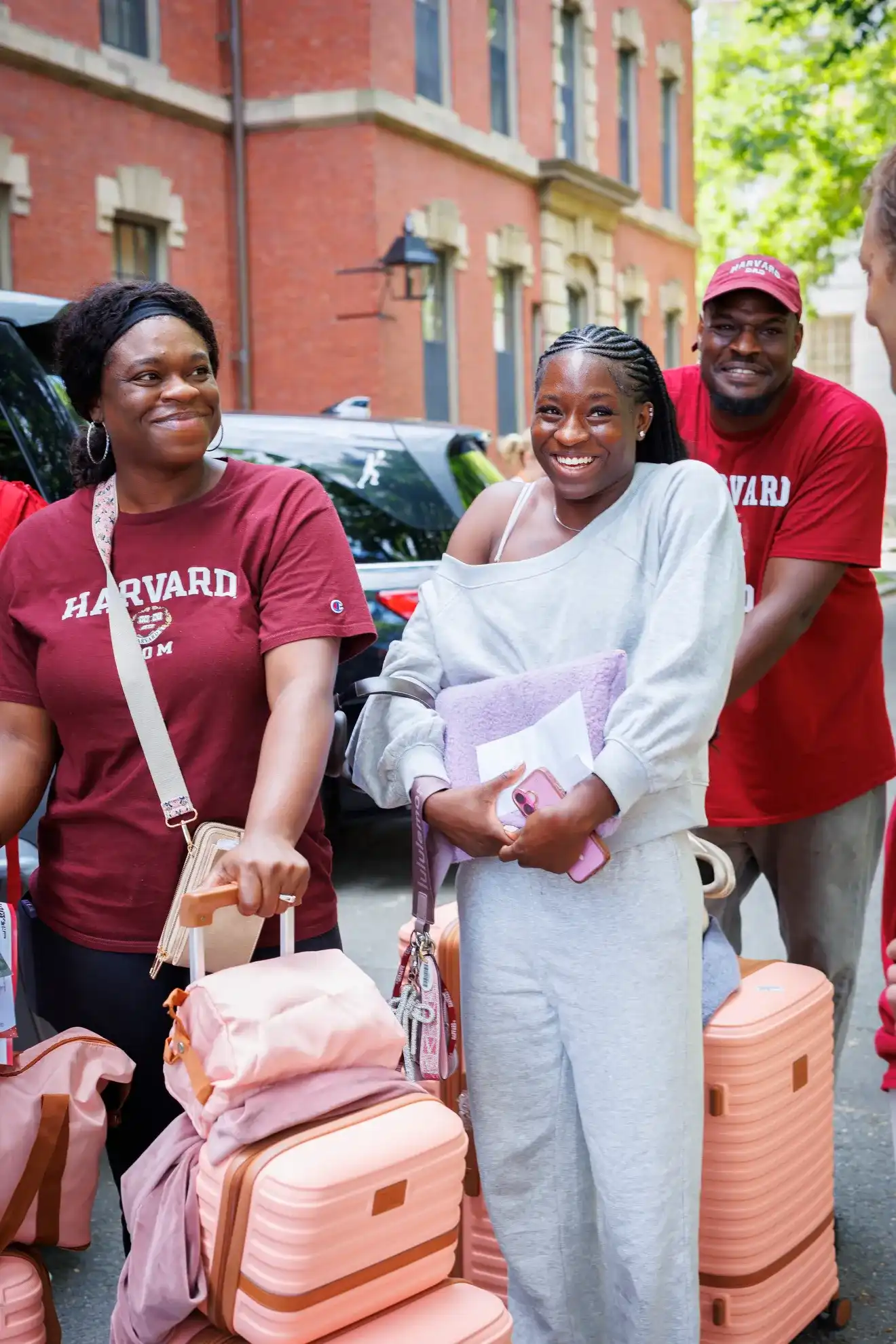
Stephanie Mitchell/Harvard Staff Photographer

Stephanie Mitchell/Harvard Staff Photographer
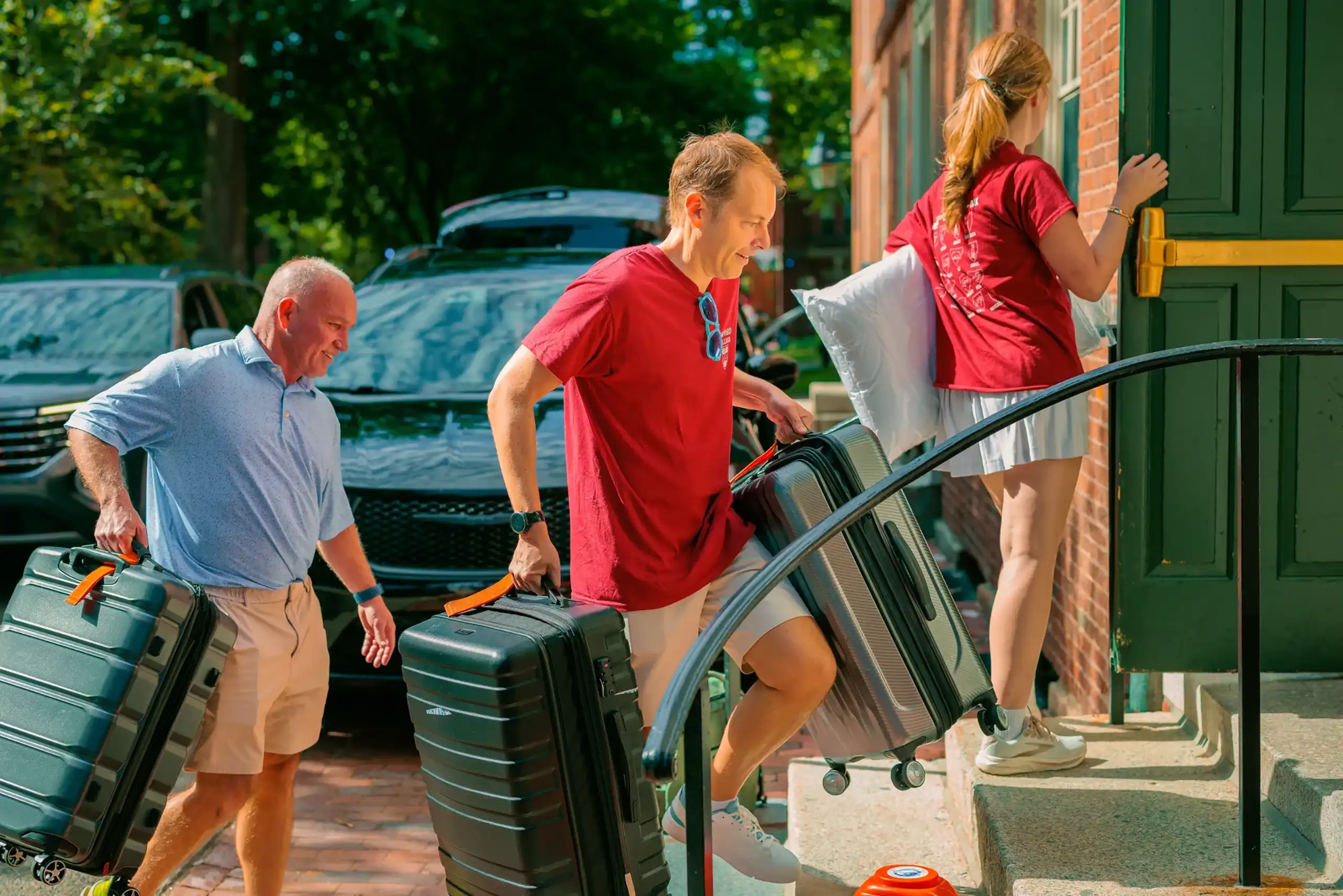
Photo by Carlos Sanchez

If you enjoyed reading this newsletter and wish to receive future newsletters, click here to subscribe.